Source toy gun models for sports, shooting games, and outdoor play
Explore 30 distinct toy gun options designed for children and adults. Compare features like ABS plastic construction, inflatable types, and specific models such as D029 and Hongyan. These items support sports, intellectual play, and outdoor entertainment activities for various age groups.
Key considerations
Products List




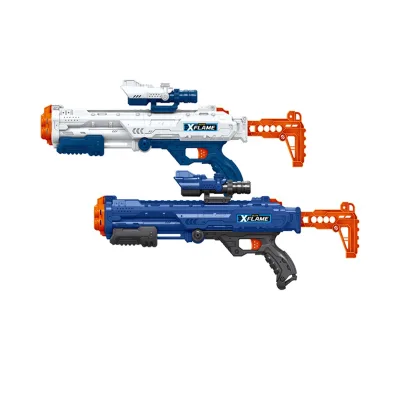
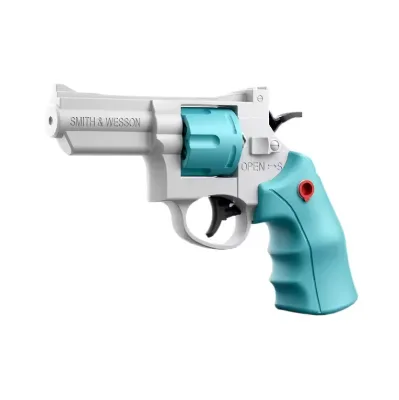
Comprehensive Sourcing Guide
Toy Gun Sourcing Guide
Buyers evaluating inflatable and rigid toy guns must first distinguish between product categories based on material composition and intended play style. The market offers distinct options ranging from soft, human-shaped inflatable models suitable for sports and outdoor games to rigid ABS plastic electric guns designed for shooting simulations. Understanding whether the procurement need focuses on large-scale recreational inflatables or compact, battery-operated shooting toys is essential for selecting the correct supplier specialization.
Procurement teams should also analyze the customization capabilities listed in product profiles, as many suppliers offer full-color logo printing and OEM services for branding. While some listings highlight specific age ranges like 3-8 years or 14 years and up, others provide broader ranges covering 5 to 13 years. Verifying that the specific model's age recommendation aligns with the target demographic is a critical first step before engaging with suppliers regarding volume or design modifications.
Product Scope and Observed Listing Signals
The observed product listings reveal a diverse range of specifications, including model numbers like D029, 741B, and Hongyan, which indicate different functional designs and physical dimensions. Buyers must carefully review the stated dimensions, such as 32.99.324.5cm or 9231.57cm, to ensure the physical footprint matches the intended storage or display requirements. These variations often correlate with the product type, distinguishing between compact toy guns and larger inflatable structures used for sports or group activities.
Commercial signals in the listings, such as the availability of FOB, CIF, and DDP terms, suggest that suppliers are prepared to handle various international logistics scenarios. The presence of single-item selling units alongside bulk customization options implies flexibility in order quantities, with observed MOQs ranging from 1 to 5300 units. Buyers should verify if the specific model number they are interested in supports the desired packaging format, such as color boxes, to ensure the final product presentation meets retail standards.
Technical Specifications to Verify
Technical due diligence requires confirming the exact material composition, as listings specify both general plastic and specific ABS types for rigid components. For inflatable models, the material durability and shape retention are critical, whereas for electric toy guns, the ABS plastic type ensures structural integrity during active play. Buyers must request detailed material data sheets to verify that the plastic used meets the necessary safety thresholds for the intended age group, particularly for products marketed to children aged 3 to 13 years.
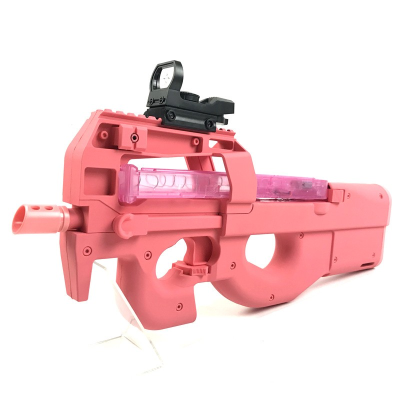
Dimensional accuracy and functional features must also be validated against the provided specifications, such as the "Easy Operate" description or specific model numbers like Pink P90. The listed features, including full-color logo printing and logo stickers, indicate that branding is a key technical requirement for many orders. Procurement teams should confirm that the electrical components in electric toy guns are compatible with the target market's voltage standards and that the battery systems are securely integrated within the ABS housing.
Compliance and Safety Documentation
Safety compliance is paramount when sourcing toys for children, and buyers must verify that products adhere to recognized international standards such as ENASTM and CE. While some background information mentions EN71 and ASTM F963-07, the primary focus should be on confirming that the specific supplier has current certification documents for the exact model being purchased. Ensuring that the product has passed the necessary impact and chemical safety tests is non-negotiable for maintaining market access in regulated regions.
Documentation regarding the product's origin, specifically from Guangdong, China, should be cross-referenced with the supplier's ability to provide traceability records. Buyers need to ensure that the safety certifications cover the entire production run and are not limited to sample units. It is essential to request a copy of the test report that explicitly lists the model number and confirms compliance with the age-specific safety requirements, ensuring that the toy is safe for the stated age range of 3 years and up.
Cost Drivers and Commercial Terms
Pricing in the toy gun market is influenced by the complexity of the product, ranging from simple inflatable structures to more complex electric shooting games with electronic components. The observed price range of 0.5 to 57 USD reflects these variations, with higher costs associated with features like full-color printing, specific branding, and advanced functionality. Buyers should analyze the cost per unit relative to the customization level, as OEM services and logo application often add a premium to the base manufacturing cost.
Commercial terms such as OEM availability and specific shipping methods like Fob, CIF, or DDP significantly impact the total landed cost. The wide range of observed MOQs, from single items to 5300 units, allows buyers to negotiate based on their volume requirements, but higher volumes typically secure better unit pricing. It is crucial to clarify whether the quoted price includes packaging costs, such as color boxes, and to understand the payment terms associated with the specific model number to avoid unexpected expenses during the finalization of the order.
Supplier Qualification and Quality Control
Supplier qualification should focus on verifying their production capacity and their history of delivering customized products that meet specific design requirements. The availability of customization options, including shape and logo printing, indicates a supplier's ability to adapt to buyer specifications, but this requires a robust quality control process to ensure consistency across large batches. Buyers must assess the supplier's internal QC protocols to confirm that every unit, from the first to the last, adheres to the agreed-upon standards for material and finish.
Quality control checks must extend to the final packaging and labeling, ensuring that the product name, age range, and safety warnings are accurately printed on the color boxes. Since the products are intended for children, any defects in the plastic molding or electronic assembly could lead to safety hazards and product recalls. Establishing a clear inspection protocol that includes pre-shipment inspections for random samples is essential to mitigate the risk of receiving substandard goods that do not match the approved prototype.
Long-Term Procurement Checks
Sustaining a successful procurement relationship requires regular audits of the supplier's ability to maintain consistent quality over time, especially when scaling up order volumes. Buyers should implement a system for tracking defect rates and customer feedback to identify any recurring issues with specific model numbers or production batches. Continuous monitoring ensures that the supplier remains compliant with safety standards and that the product quality does not degrade as production volumes increase.
Long-term checks also involve reviewing the supplier's responsiveness to changes in market regulations or safety standards that may affect the toy gun category. As regulations evolve, the supplier must demonstrate the agility to update their products and documentation accordingly without disrupting the supply chain. Establishing a clear communication channel for reporting quality issues and resolving them promptly is vital for maintaining a reliable supply of safe and engaging toys for the target market.
FAQs
What materials are used for these toy guns?
The toy guns are primarily constructed from durable plastic materials, with specific models utilizing ABS plastic for enhanced strength and safety. This material choice ensures the products are suitable for children's outdoor play while maintaining structural integrity during active use. The customization options allow for various color finishes, including black and pink, to appeal to different preferences.
Can these toys be customized with a logo?
Yes, full color logo printing and logo stickers are available for customization. These OEM services allow buyers to brand the products effectively for their specific market needs. The customization feature supports various design requirements, ensuring that the final product aligns with your brand identity while maintaining the high-quality standards expected in the toy industry.
What certifications do these products hold?
The products hold ENASTM and CE certifications, indicating compliance with relevant safety standards for toys. These certifications ensure that the items meet rigorous quality and safety requirements for international markets. Buyers can rely on these documented standards to facilitate smoother customs clearance and ensure the products are safe for the intended age groups, particularly children aged three to thirteen years.
What is the typical packaging for these items?
The standard packaging for these toy guns is a color box, which provides attractive retail presentation and protection during transit. The packing specifications vary by model, with dimensions such as 32.9 by 9.3 by 24.5 cm for certain models. This packaging style supports efficient shipping and storage, making it suitable for both bulk wholesale orders and direct retail distribution channels.
Are these toy guns suitable for outdoor sports?
Yes, these toys are designed for outdoor entertainment and sports activities, including playing shooting games. They are categorized as intellectual and particular toys that encourage active play. The durable construction and safe design make them ideal for children and teenagers to enjoy outdoor games, providing fun and engagement while promoting physical activity in a safe environment.
What age groups are these toys intended for?
The toys are suitable for a wide range of age groups, including children aged three to eight years, five to seven years, eight to thirteen years, and those fourteen years and up. Different models cater to specific developmental stages, ensuring appropriate play experiences. This broad age range allows for versatile marketing strategies targeting various demographics within the family toy sector.